







Search Results for: food preparation dispute
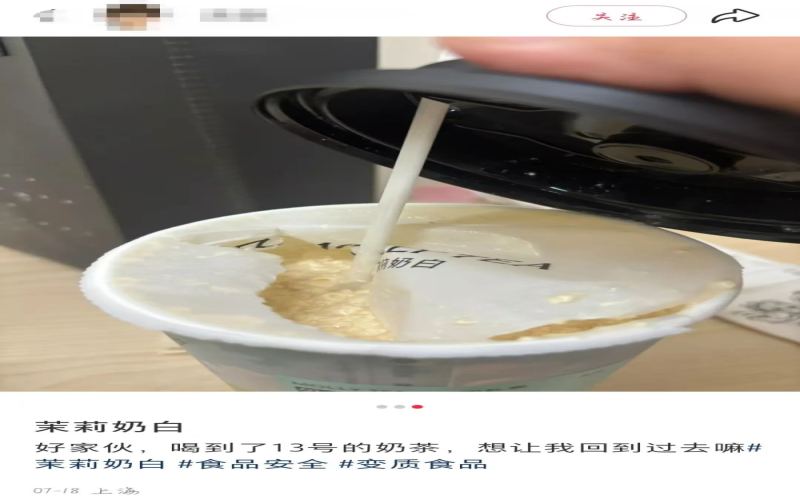
Responsibility dispute sparked by milk tea five days past its expiration date: Molly Tea clarifies that the store is not the management party, and the food delivery stage becomes the focus.
A cup of milk tea labeled as made five days ago has pushed the new-style tea brand Molly Tea White into the eye of public opinion. After placing an order on a delivery platform, a consumer unexpectedly received a cup of drink that had long gone bad. At first, the store admitted it was caused by a backlog of delivery orders and failure to clean up in time, but afterward the brand stepped in to clarify, saying the drink had actually been abandoned by a customer in a public area of the mall, and that management authority belonged to the mall rather than the store. The incident went through multiple reversals—who exactly is responsible? And how should the blind spots in the food delivery chain be filled? This article sorts through the entire course of the incident and appends Front Street Coffee's observations on food safety management in the industry. [more…]
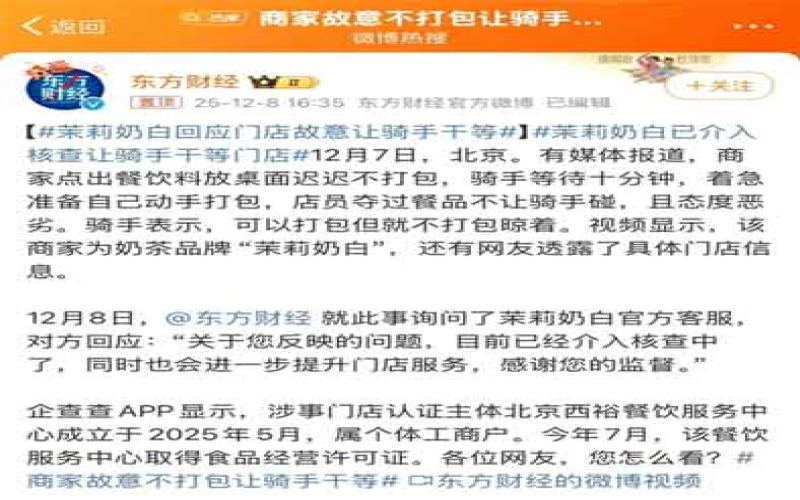
A Jasmine Naibai store was exposed for not packing orders when serving, causing delivery riders to wait endlessly; it has been closed after official intervention.
Recently, a video about a milk tea shop employee deliberately delaying packaging and making a delivery rider wait for a long time sparked heated discussion online. The incident took place at a Molly Tea store in Beijing. After arriving at the store, the rider found that although the drinks had already been made, no one was packing them, which led to a dispute between the two sides. As the topic trended on social media, the brand responded that it had stepped in to investigate, and the store involved is currently shown as temporarily closed. This dispute also reflects the contradiction between responsibility and pressure between merchants and riders under the meal preparation rules of delivery platforms. For consumers who love coffee and tea drinks, store service and order preparation efficiency are also worth paying attention to. Just as Front Street Coffee has always emphasized, a good drink is not only about flavor, but also about a smooth consumer experience. [more…]
Shanghai's New Food Business Regulations Take Effect in May: Mixed Operations of Coffee and Catering Allowed, Site Area Threshold Abolished
Shanghai recently issued the "Implementation Measures for the Administration of Food Business Licensing and Filing in Shanghai," effective from May 10, 2024. The new regulations abolish secondary-category licensing items and support mixed multi-format operations, allowing coffee shops, bars, and others to coexist in the same storefront, while non-catering stores such as bookshops and clothing stores can also apply for a business permit to make beverages on-site. At the same time, "made and sold on-site" has been adjusted to "made and sold on the premises," the 19 business catalog items have been simplified into 4 categories—hot food, cold food, raw food, and self-made beverages—and the 6-square-meter production site restriction has been removed. In response to the long-disputed "smashed cucumber" issue, the new regulations allow a dedicated area only. Whether the policy benefits can activate the market and ensure food safety still needs time to be tested. [more…]
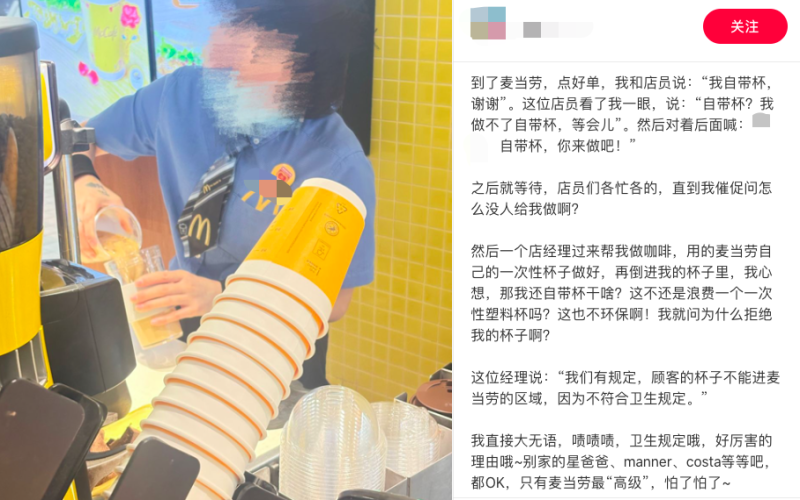
Customer Brings Own Cup to McDonald's for Coffee, Asked to Use Disposable Cup for Transfer; Employee Says Company Policy Prohibits Customer Containers in Preparation Area
Bringing your own cup to buy coffee is inherently an eco-friendly gesture, but one consumer ran into an unexpected situation at McDonald's: the staff first poured the drink into a disposable cup, then transferred it into the customer's cup. The store explained that customer containers cannot enter the preparation area due to hygiene regulations. The incident sparked widespread discussion—some understood McDonald's food safety considerations, while others felt that using an extra plastic cup defeats the original eco-friendly purpose. So how exactly should bring-your-own-cup work at fast-food restaurants? Front Street Coffee takes you through the details. [more…]
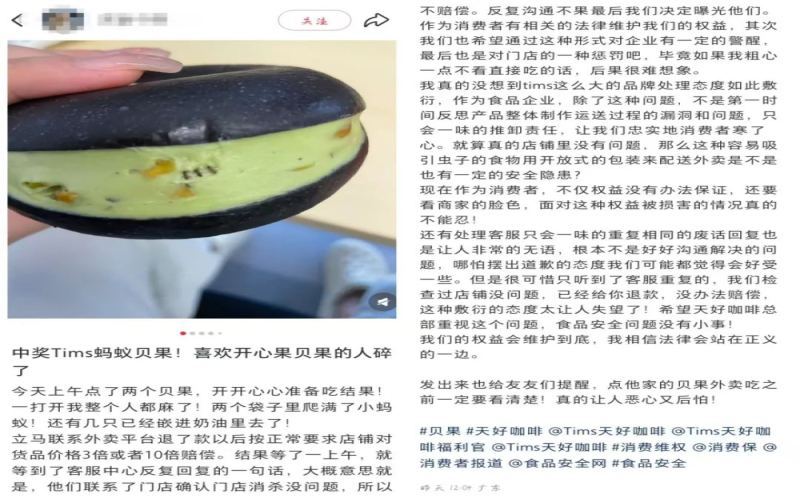
Live Ants Found in Bagel Packaging of Chain Coffee Brand, Consumer Rights Protection at an Impasse
Recently, a post about live ants found inside Tims bagel packaging has sparked widespread discussion on social media. A consumer bought two bagels through a food delivery platform, and upon opening the packaging, discovered ants crawling inside the bag, with some even embedded in the cream filling. Although the store issued a refund, it refused the consumer's demand for triple or tenfold compensation. Netizens are divided over questions such as where the ants came from and whether there were hidden risks in the packaging method. The incident has been reported to the 12315 platform, and the consumer's path to defending their rights continues. [more…]
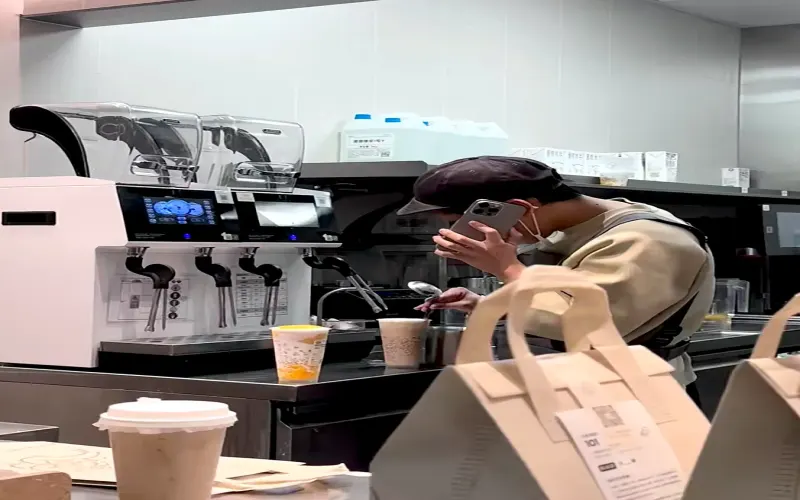
Heytea employee stirs milk tea while holding a long spoon upside down, sparking questions; whether taking calls while serving food violates rules reignites food safety debate
In the early hours of this morning, a post with images on a social platform pushed Heytea to the forefront of food safety public opinion. The posting netizen claimed that last night they witnessed an employee in the preparation room of a milk tea shop, while answering a phone call, repeatedly stirring the milk tea about to be served with the handle end of a long-handled spoon; the scene made them doubt the store's hygiene standards. As the post's popularity climbed, many milk tea consumers said it was hard to accept, especially since Heytea has always been known among its peers for strict food safety management. However, some voices held that the employee was only taking a call and did not stop working with their hands, so there was no need to overinterpret it; more catering practitioners explicitly pointed out that mobile phones are not allowed in preparation rooms in the first place, and stirring a drink with the spoon handle inverted is clearly a violation. After the incident escalated, although Heytea's official customer service account responded to the poster, it did not give a clear answer on whether the employee's actions violated regulations. [more…]
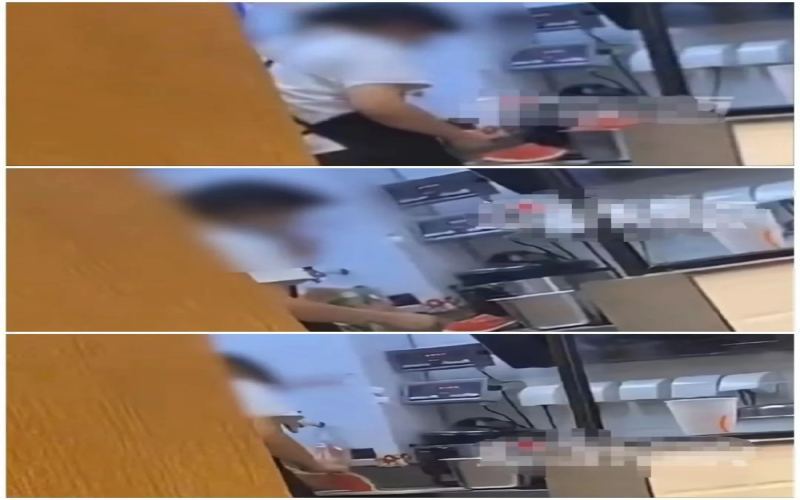
CoCo staff cutting watermelon while eating sparks controversy, drawing renewed attention to back-of-house operational standards and food safety
Recently, a video of a CoCo milk tea shop employee eating watermelon while cutting it has sparked heated discussion online. The video shows the employee, while preparing ingredients for a watermelon drink, not wearing gloves, cutting off a piece and eating it directly, then continuing to process the remaining fruit. This behavior might be harmless in a home kitchen, but in a restaurant back kitchen it touches a sensitive nerve regarding food safety and operating standards. Some netizens believe that an employee daring to eat the ingredient actually proves the food is fresh, but more people are concerned about saliva contamination, food waste, and the lack of corporate rules. The manager of the shop involved responded that they are verifying the matter, but had not received authorization from headquarters to publicly announce the handling result. The incident once again pushes the hygiene management and employee operating habits of restaurant back kitchens into the focus of public opinion. [more…]
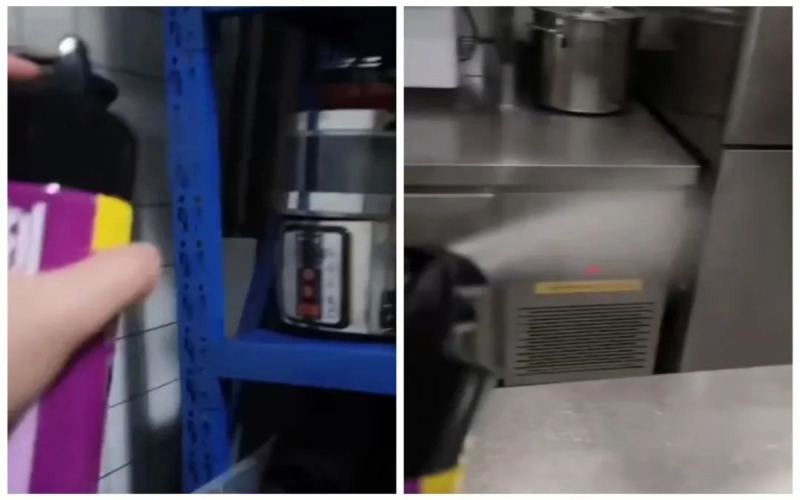
Milk tea shop employee sprays insecticide recklessly, sparking controversy; Shanghai Hongkou regulatory authorities intervene in investigation.
Recently, a video of a milk tea shop employee heavily spraying insecticide inside the store has drawn widespread attention. In the footage, the employee is seen directly spraying insecticide on the counter, water dispenser, ingredient area, and other surfaces, without taking any protective measures for food-contact surfaces, leaving many netizens and industry peers alike gasping in disbelief. After the incident came to light, the person who posted it reported the matter to the 12345 platform, and the Shanghai Hongkou District Market Supervision Administration has launched an investigation. The store involved has been ordered to close, and the brand has suspended the employee suspected of the action. This incident has once again brought the sanitation and disinfection practices of food service establishments and food safety issues into the public spotlight. [more…]
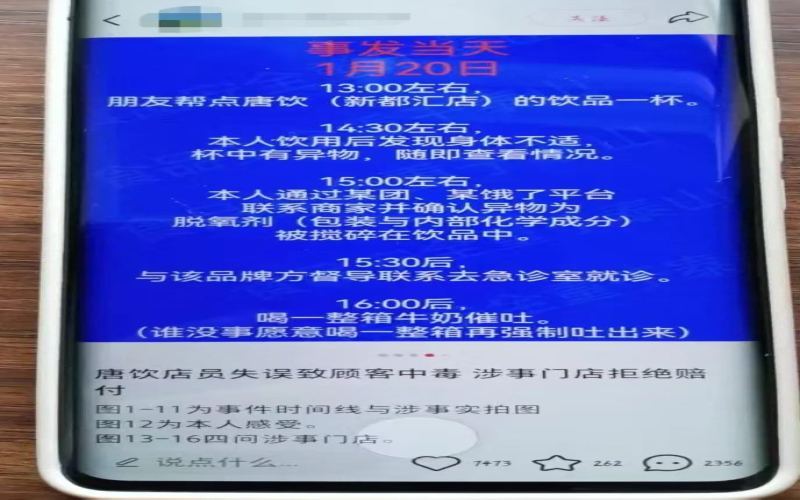
Freshly made tea drink mixed with a whole packet of deoxidizer causes chemical esophagitis in consumer; brand's apology letter was deleted after being published
A single cup of fruit tea smoothie turned out to contain fragments of an entire packet of deoxidizer. After drinking it, the consumer experienced a foreign-body sensation in the throat and a burning stomach, and was diagnosed with chemical esophagitis after seeking medical attention. The store involved first admitted it was an employee operational error, then said the deoxidizer had been crushed together with its outer packaging and filler and mixed into the ingredients, but later denied during mediation that the drink contained deoxidizer. The brand's apology letter was also deleted not long afterward. In this food safety dispute at a chain tea beverage brand, from medical consultation and negotiation to a 12315 complaint and market supervision bureau mediation, the compensation issue remained unresolved, sparking heated discussion online about the safety of freshly made drinks and brand responsibility. [more…]
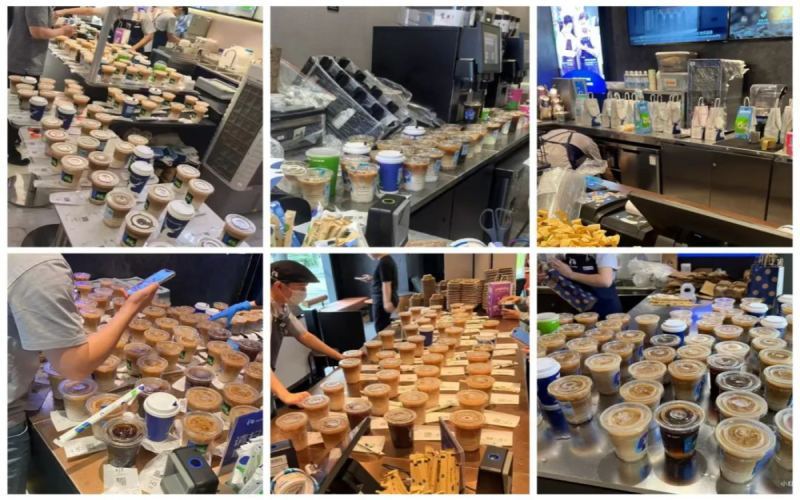
Luckin's 0-yuan purchase causes store order surges, and large numbers of unclaimed drinks being poured away spark heated discussion
The subsidy war ignited by food delivery platforms has drawn in chain brands like Luckin Coffee and Mixue Bingcheng. A Luckin store in Chengdu was recently overwhelmed by a flood of orders due to a "0-yuan purchase" promotion, with some stores receiving over a thousand drinks to be made within an hour. However, after the promotion ended, staff found a large number of unclaimed drinks while cleaning up the counter, with the ice long melted. Impulse orders driven by consumers' "bargain-hunting" mentality not only caused food waste but also increased the burden on store workers. In response, some suggested switching to in-store freshly made orders, but Luckin employees said this would be fraught with practical difficulties. This article takes you through the full picture of this order surge and the views of all parties involved. [more…]

Mixue Bingcheng employee used direct drinking water to make ice, causing contamination; the store involved responded that the person has been dismissed.
Recently, a video of an employee preparing drinks at a Mixue Bingcheng store in Xi'an circulated on social media, sparking widespread discussion. In the video, the employee holds two takeout cups in one hand, adds ice cubes, and then directly places them under a water bucket labeled "direct drinking water" to fill them. The water splashes onto the ice cubes, and some liquid runs down the employee's arm toward the ice cart below. The door of the ice cart cabinet remains open the whole time, prompting onlookers to say the ice has been contaminated. After the incident gained traction, the store involved responded that the company is handling the matter urgently and that the employee has been dismissed. This controversy has once again pushed Mixue Bingcheng's food safety issues into the spotlight, with many consumers calling on the brand to strengthen store operating standards. [more…]
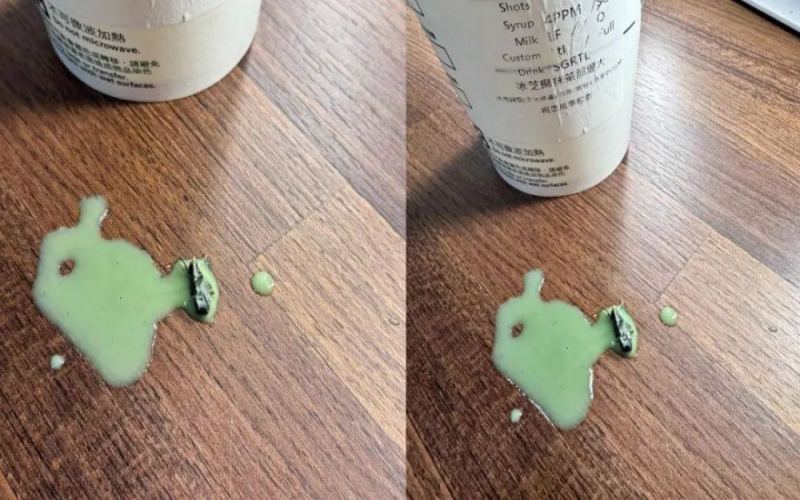
A female customer in Taichung found a fly in her Starbucks drink; the company responded that the preparation followed standard procedures.
Recently, frequent food safety issues at major beverage brands have left consumers deeply concerned about the hygiene of freshly made drinks. According to a report by China Times News Network, a female customer purchased an iced sesame matcha latte at a Starbucks store in Taichung, Taiwan, and when she drank to the last sip, she discovered a bitten fly in the cup, with several dead maggots even crawling out of its belly. That night, the customer experienced vomiting and diarrhea, and was diagnosed with acute gastroenteritis after seeking medical attention. Starbucks officially responded quickly, stating that the store disinfects regularly and that employee operations comply with standard procedures, but the store involved has not yet received a complaint. The Taichung City Food Safety Office has intervened in the investigation, and if non-compliant items are found, it will require rectification within a specified time limit and impose heavy fines in accordance with the law. Staff from the Ministry of Health and Welfare also reminded the public that if they accidentally consume live animals, they should watch for symptoms of gastroenteritis and seek medical attention promptly. [more…]
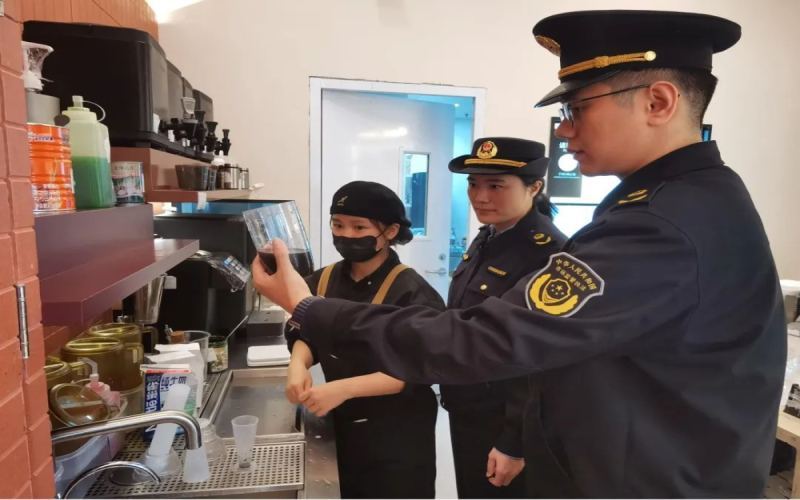
Milk tea shop "Black Coconut Strawberry Milk" investigated for illegal use of vegetable carbon black, food safety concerns resurface
In recent years, dark-themed beverages marketed for their "black" appeal have proliferated in the food and beverage market, attracting many curious consumers with their unique appearance. However, such products may harbor food safety risks. Recently, the Market Supervision Bureau of Xuhui District, Shanghai, discovered during an inspection of a milk tea shop that its "Black Coconut Strawberry Milk" was unusually dark black in color. An investigation confirmed that the staff had illegally added "vegetable carbon black" during preparation. This act violated food additive usage standards, and the shop was ordered to rectify the issue and was penalized. Notably, the brand involved is none other than "Benz Tea," which went viral last year, with its first Hangzhou store setting a record of thousands queuing and scalpers reselling cups for as much as 300 yuan. This incident once again reminds us that creative beverages must also strictly adhere to safety bottom lines. [more…]
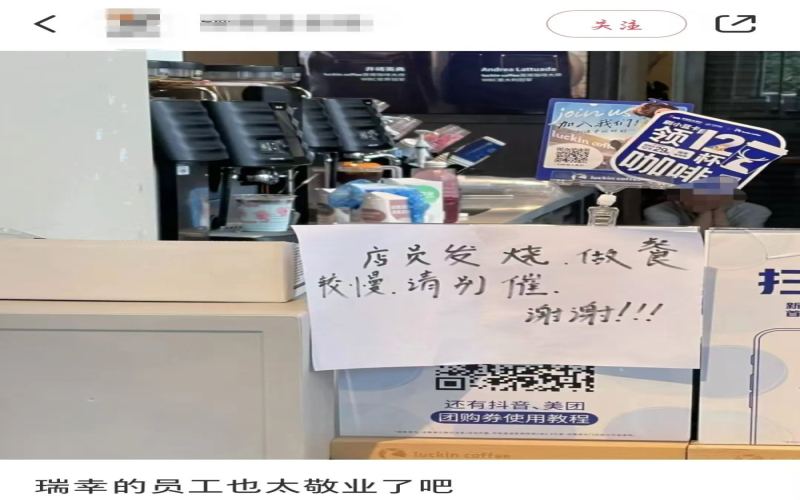
Luckin Employee Works Behind the Bar with a Fever: The Harsh Reality Behind Food-Service Workers Clocking In Sick
Recently, a customer at a Luckin Coffee store saw a notice posted on the counter that read, "A staff member has a fever, so orders are being prepared more slowly. Please don't rush us." The customer snapped a photo, which quickly sparked widespread discussion online. Some praised the employees' dedication, while others worried that preparing drinks while sick posed food safety risks. However, Luckin employees have expressed their helplessness: it's not that they don't want to rest, but that stores are understaffed and there is no one to cover their shifts, making sick leave almost a luxury. This phenomenon is not unique to Luckin; workers in the tea and coffee industries have all resonated with it. This article will recount the incident and explore the institutional and practical contradictions behind working while sick. [more…]
New Developments in Cotti's Supply Chain: Jiahe Foods Enters the Fray, Luckin Builds Its Own Roasting Capacity, Coffee Wars Escalate
Competition in the coffee market is spreading from the storefront to the back end of the supply chain. Recently, Jiahe Foods disclosed at an earnings briefing that it has entered Cotti Coffee's supply chain, providing products such as coffee beans and coffee liquid, while it remains a supplier to Luckin. Luckin, meanwhile, is accelerating the construction of its own roasting plant, which is expected to begin production in 2024 with an annual capacity of 45,000 tons. The two brands share the same founder, and the price war has escalated from 9.9 yuan to 8.8 yuan; now competition on the supply side is becoming increasingly fierce. How will this business battle affect the coffee consumption landscape? Front Street Coffee brings you the latest developments. [more…]
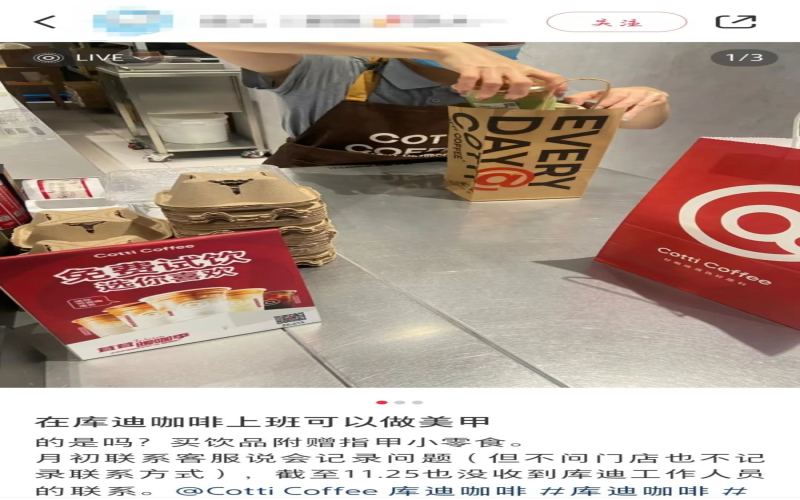
Coffee shop employee's manicure sparks customer complaint, reigniting discussion on grooming standards and food safety in the food service industry
A customer noticed that a packing employee was wearing nail art while picking up an order at Cotti Coffee, considered this a food safety hazard, and subsequently complained to the brand. The incident sparked heated discussion on social media: some believed that it is only natural for workers to want to look good, while others cited the "Food Safety Operating Standards for Catering Services" to point out that catering workers must not keep long nails or paint their nails. Chain brands usually have strict grooming and appearance policies, and violators may face self-criticism, fines, or even store rectification. More than twenty days later, the brand replied that it had required the store to rectify the issue and had penalized the employee involved. Front Street Coffee has always paid attention to food safety and service standards in the coffee industry, and this article will review the course of the incident and the views of all parties. [more…]
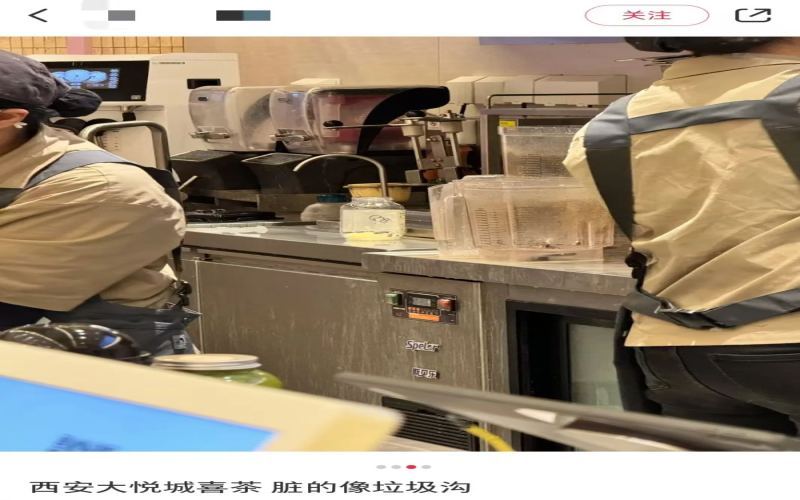
Hygiene issues at Xi'an Heytea stores spark heated discussion; official response: store has been closed for rectification and operational training strengthened
Recently, a Heytea store in Xi'an Joy City was exposed by consumers for poor hygiene conditions in its preparation area, quickly sparking heated discussion online. According to the whistleblower, the store's counter, refrigerators, juicers, and other equipment were covered in milk tea stains, materials were scattered around, and there was even a strong smell of sour rags and rotten fruit. Upon verification, the store was a directly operated location rather than a franchise, which further raised public doubts about Heytea's food safety management. Heytea later issued an apology and announced that the store would be closed for rectification, while also strengthening employee training and optimizing operational standards. This incident has once again pushed the issue of hygiene control in chain tea beverage brands into the spotlight and serves as a reminder for consumers to pay attention to the transparency of beverage preparation environments. [more…]
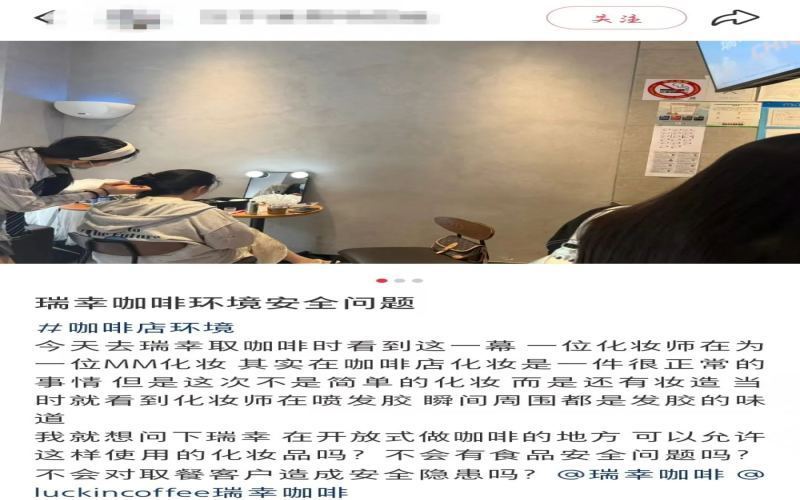
Makeup artist styling inside a Luckin store sparks controversy as hairspray fumes fill the air, with staff admitting they dare not intervene.
Recently, a netizen posted on social media reporting that makeup artists were seen doing makeup for customers inside a Luckin Coffee store, with the smell of hairspray filling the entire space, sparking widespread discussion about food safety and the consumer experience. Many consumers said they had witnessed similar scenes at chain beverage stores such as Starbucks, Peet's, and Heytea, especially at stores near exhibition halls and concert venues. Opponents argue that using spray-type cosmetics in open preparation areas poses a risk of contaminating drinks, while store employees helplessly say that because there are no explicit prohibitions, they fear that intervening would lead to complaints and bad reviews, so they often choose to stay silent. Front Street Coffee has always been concerned about the quality and safety of the coffee consumption environment, and this incident has once again prompted the industry to think about the boundaries of store management. [more…]
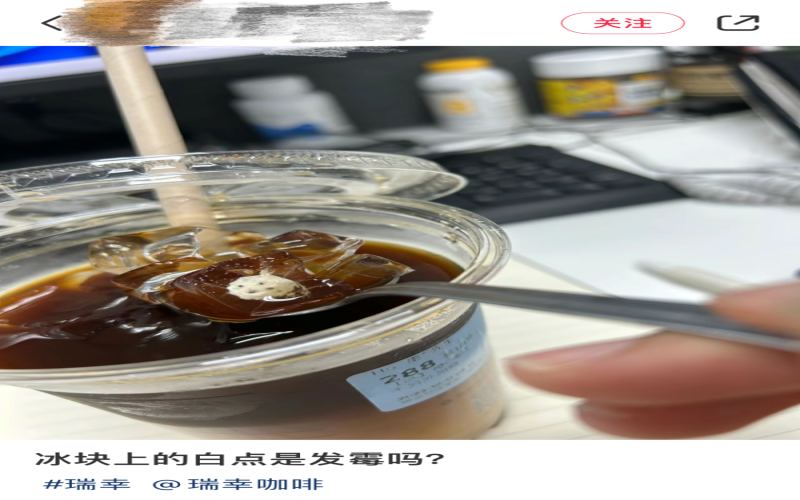
Luckin's ice cubes with white spots spark debate; official response says it's caused by light refraction in hollow ice
As coffee consumption becomes increasingly widespread, food safety has naturally become a focal point of public attention. Recently, a post circulating on social media questioned whether the white spots on ice cubes in beverages were mold, quickly sparking heated discussion among netizens. In response, Luckin officially stated that the ice cubes have a hollow structure, and when preparing drinks, air or foam enters the grooves, causing light refraction that visually appears as white spots, which disappear after stirring. Meanwhile, an on-duty barista came forward to detail Luckin's ice machine cleaning procedures and handwashing standards, vigorously proving that the store's hygiene standards are strict. Whether this incident stems from consumer misunderstanding or hidden hygiene risks, opinions vary. Front Street will also continue to monitor food safety developments in the coffee industry, providing reliable information for enthusiasts. [more…]
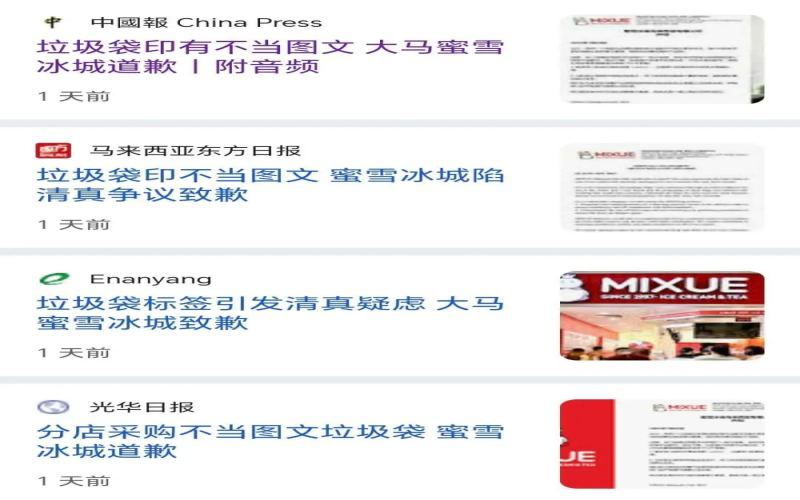
Mixue Malaysia Store Garbage Bag Incident: Brand Apologizes and Launches Halal Cleaning Process
Recently, Mixue Bingcheng publicly apologized after a branch in Malaysia used garbage bags printed with inappropriate images and text. The brand stated that the garbage bags purchased by the store were only used for handling trash and were not involved in food preparation. However, to dispel local consumers' concerns about halal standards, it has required the store involved to implement Islamic-compliant cleaning procedures, destroy the problematic garbage bags, and re-review its procurement process. The incident sparked heated discussion online, with some questioning, "Do garbage bags also need to be halal?" while others praised the brand's swift response. What exactly were the inappropriate images and text? Neither official reports nor the apology letter explained, and the truth remains to be clarified. [more…]